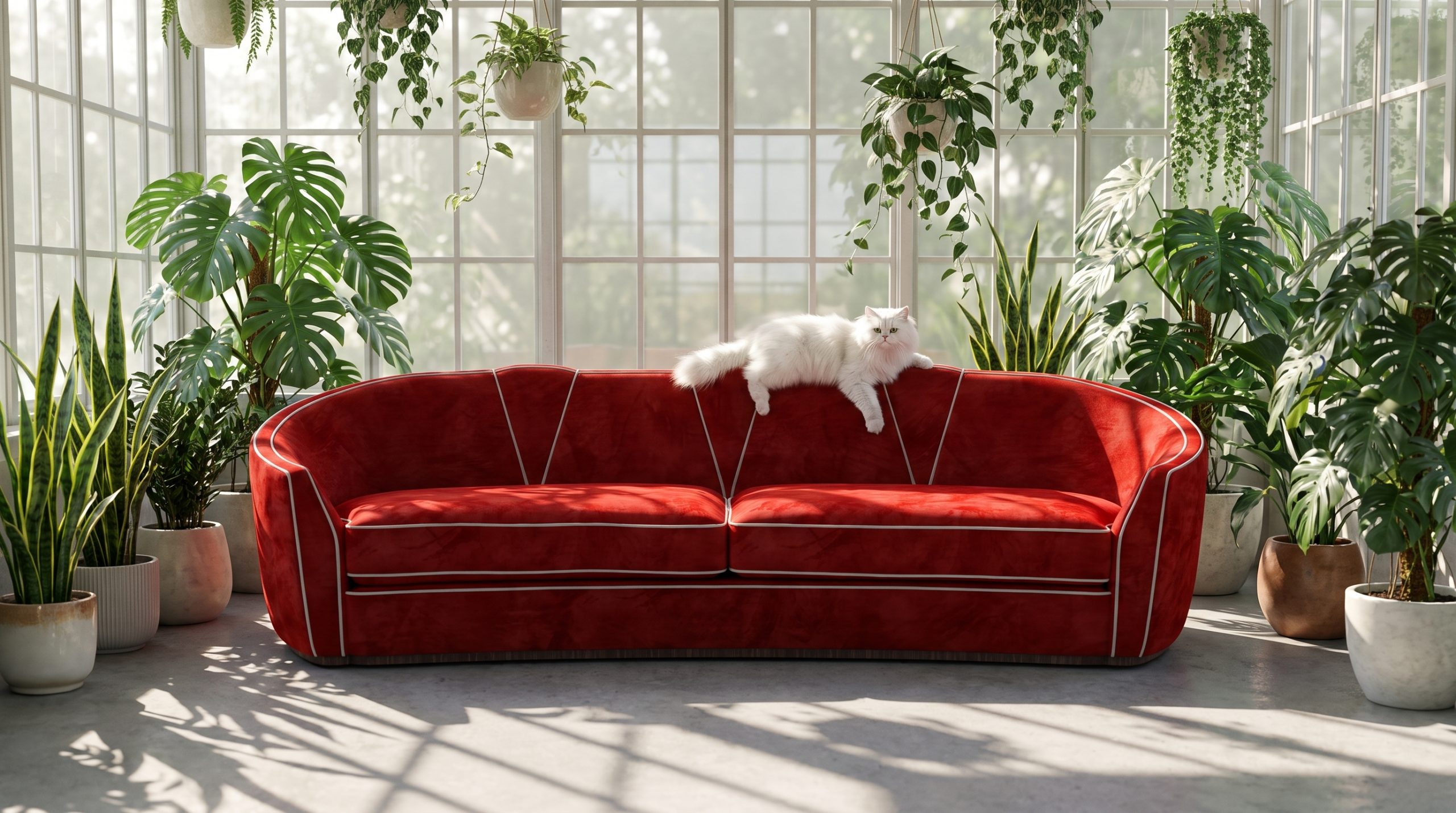
Well over half of UK households share their home with a pet, and every single one of those households has, at some point, stood in a showroom running a hand across a beautiful pale sofa and thought, “well, this would be ruined within a week.” That instinct is correct. It’s also, as of 2026, no longer something to feel apologetic about. A pet-friendly sofa has quietly gone from a slightly embarrassing compromise to an actual specification people ask for by name, right alongside colour and price.
This piece exists because most sofa advice is written by people who have clearly never met a Labrador, a cat with main character energy, or a toddler who treats yoghurt as a contact sport. Durability, performance fabric and genuine guarantees have quietly become some of the most-asked-about specifications in furniture shopping this year, rather than an awkward afterthought. So here are seven honest, occasionally cheeky truths about choosing a pet-friendly sofa in 2026, based on what actually happens in real living rooms rather than what happens in a lightly-staged product photo.
| QUICK ANSWERThe best pet-friendly sofa in 2026 isn’t defined by a single miracle fabric. It comes down to three things: a densely textured weave that hides everyday marks regardless of colour, a properly joined hardwood frame that can take real use, and a genuine multi-year guarantee behind both. Leather and fabric can both work well; the frame and the weave matter more than the material label. |
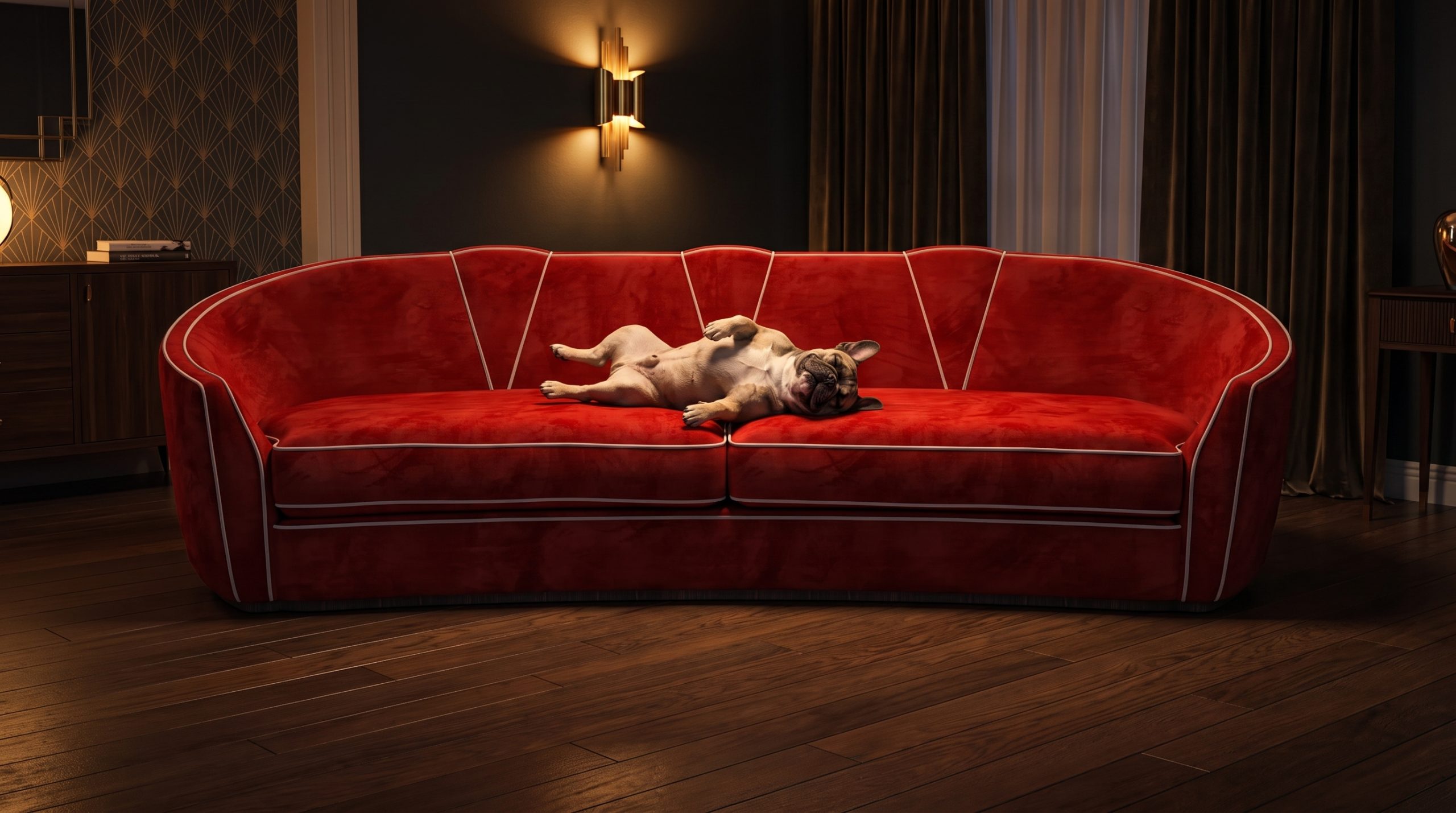
1. Why Your “Spotless Cream Sofa” Isn’t a Pet-Friendly Sofa
Every showroom has one: pale, pristine, photographed in soft daylight with absolutely no evidence that a living creature has ever sat on it. It is a beautiful lie. In a real home, that same sofa meets muddy paws before 9am and a cat who has declared the armrest a scratching post by lunchtime, and neither of them read the care label first. A genuinely low-maintenance sofa doesn’t need to be beige and boring to survive this, though. Dense, textured weaves hide everyday marks far better than a smooth, pale surface ever will, which is exactly why texture, not just colour, is one of the defining fabric stories of 2026. Bouclé, chenille and corduroy all do this well, each in a slightly different way, each photographs a great deal better than a stain does, and none of them require you to give up on the room looking genuinely put together. The honest move is to stop trusting the showroom spotlight entirely and test a few options against your own chaos at home, in your own light, before deciding anything.
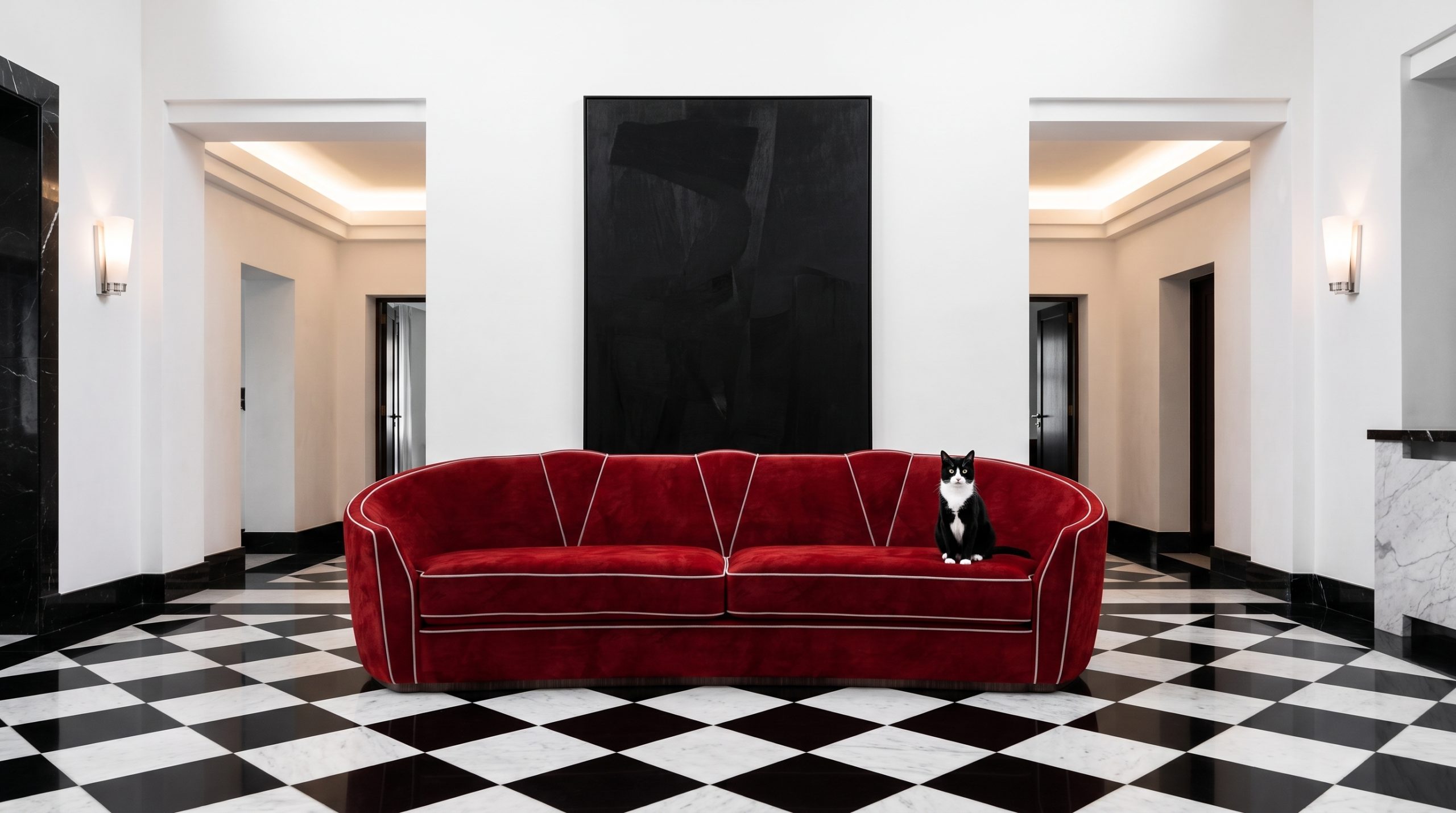
2. Leather Isn’t the Pet-Proof Miracle Everyone Claims
Leather gets sold as the sensible, wipe-clean choice for pet owners, and it can be, but it isn’t invincible. Claws scratch it, and once a mark is in leather, it’s in leather, sitting there for the rest of the sofa’s life like a permanent diary entry. It also runs cold in December and faintly sticky in July, which most dogs, cats and toddlers have strong and vocal opinions about. A well-chosen fabric sofa can be just as practical, often more forgiving of everyday scuffs, and considerably more pleasant to actually fall asleep on after a long day. Neither material is magic, and neither deserves the reputation it’s been given by whichever showroom is trying to sell you the other one. Both need the right weave, or the right hide, and the right frame behind them to actually earn the “pet-friendly” label rather than just borrowing it for marketing purposes.
Fabric vs Leather for Pet Owners, at a Glance
| Consideration | Fabric | Leather |
|---|---|---|
| Everyday marks | Texture hides most marks | Scratches show permanently |
| Temperature | Warm in winter, breathable in summer | Can run cold or feel sticky |
| Claws | Depends on weave tightness | Doesn’t self-heal once scratched |
| Cleaning | Vacuum + spot clean | Wipes clean quickly |
| Comfort | Soft, cosy for lounging | Firmer, cooler to the touch |
3. Texture Hides More Than Colour Ever Will
The instinct is to go dark to hide the mess, but a plain navy or charcoal sofa still shows every strand of pale fur and every water mark just as clearly as a light one does, only in reverse. What actually works is texture. A busy, looped or ribbed weave, bouclé, chenille, corduroy, breaks up the surface enough that daily life doesn’t announce itself quite so loudly, whatever colour it happens to be. It’s a big part of why a genuinely pet-friendly sofa in 2026 gets chosen by weave first and color second, and why ordering physical swatches, rather than scrolling a color chart on a phone screen, actually matters. A swatch held up next to your actual dog, cat or toddler tells you more in ten seconds than a product photo ever will.
4. A Strong Frame Matters More to a Pet-Friendly Sofa Than a Stain Warranty
A dog launching itself onto the cushions and a toddler using the arm as a launchpad will stress-test the frame long before either of them stress-tests the fabric. A hardwood frame, glued and dowelled rather than simply stapled together, is what actually determines whether a sofa survives five years of enthusiastic daily use from pets and children, not just whether the fabric shrugs off a spilled drink. It’s worth asking what’s underneath the upholstery before asking what’s printed on the swing tag about stain resistance, because a beautiful fabric on a weak frame is still a short-term sofa, whatever the label promises. A frame that flexes or creaks within the first year rarely gets better with age, and by the time it’s obvious, it’s usually outside the return window.
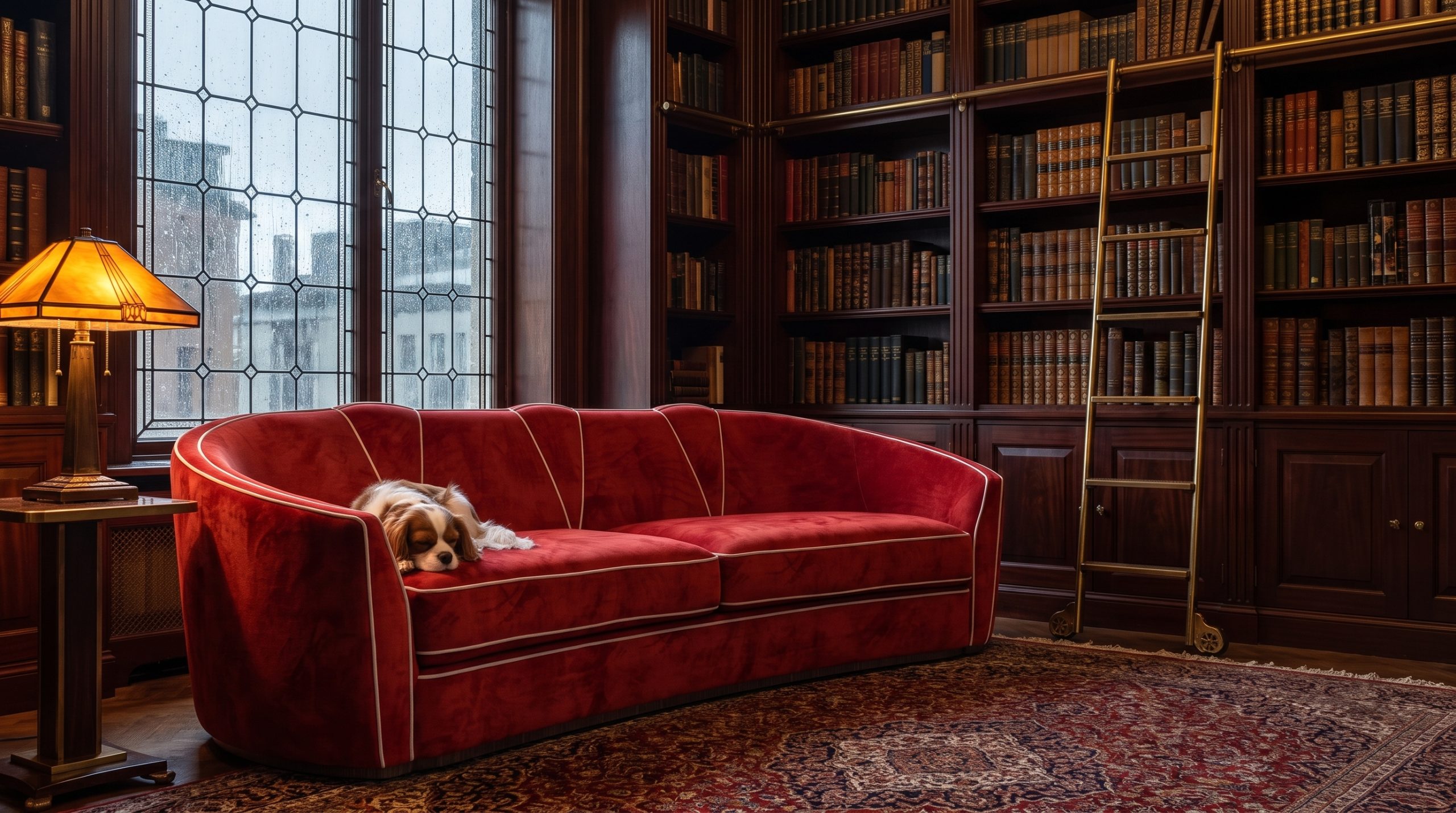
5. Why “Practical” Became the Pet-Friendly Sofa Flex of 2026
For a long time, “practical” was code for “not the one you actually wanted,” the sofa you settled for once the beautiful one turned out to be impractical. That’s changed. Buyers in 2026 are specifying performance and durability as a genuine first requirement, not an apologetic afterthought mentioned after falling for something impractical, and a sofa built with real households in mind has gone from a compromise to something people are genuinely proud of choosing. It turns out a sofa that still looks good after three years of actual living, actual pets and actual children is a far better flex at a dinner party than one that only survived the delivery van and the first photograph.
6. Free Swatches Are the Cheapest Insurance You’ll Ever Take Out
The single easiest way to avoid an expensive mistake is to test a fabric at home before you buy the sofa it’s attached to. Lay the swatch where the sun actually hits it in the afternoon, put it on the floor where the dog naps, hold it up against the cat hair currently living on your jumper, and see how it looks under lamp light rather than showroom spotlights. That five minutes of testing tells you more than any product description will, and because it costs nothing, it’s one of the rare “sensible” choices that doesn’t feel like a compromise at all. Most swatch services get samples to you within a few days, which is a small wait against the cost of getting a three-seater wrong. If a fabric survives that test, in daylight, in lamp light, and in the actual room the sofa is going in, it’s genuinely earned its keep rather than just looked good under one spotlight.
7. A Real Guarantee Beats a “We’ll See” Attitude
Pets don’t read guarantees, but you should. A genuine multi-year frame guarantee and an insured warranty are the actual difference between a pet-friendly sofa and an expensive short-term rental, because they’re a sign the maker expects the thing to survive real life, not just the showroom floor and the first delivery. Ask what’s covered, ask for how long, and ask what happens if the frame, rather than the fabric, is what eventually gives way. That answer tells you more about the sofa than any swatch can.
Strip away the jokes and the honest version holds up: a pet-friendly sofa in 2026 isn’t a downgrade from the one you actually wanted, it’s the one built to survive the home you actually have. Weave, frame and guarantee matter more than colour ever will, and the good news is you no longer have to choose between practical and genuinely nice to live with.
Newman & Bright hand-builds every sofa on a hardwood frame in Worsley, Manchester, with a wide range of Warwick fabrics, free swatches, a 10-year frame guarantee and a 5-year insured warranty as standard. To find the right pet-friendly sofa for your household, order swatches online or speak to Sam directly on 0161 667 9560 or [email protected].
What is the best fabric for a pet-friendly sofa?
Densely woven, textured fabrics such as bouclé, chenille or a tight weave generally hide fur, scuffs and everyday marks better than smooth, pale materials, regardless of colour.
Is leather or fabric better for pet owners?
Both can work well. Leather wipes clean easily but can scratch and mark permanently, while a well-chosen textured fabric is often more forgiving day to day and more comfortable to sit on. The frame matters as much as the material either way.
Do pet-friendly sofas cost more?
Not necessarily. A pet-friendly sofa really comes down to choosing the right weave and a solid frame, both of which are available across most price points, rather than a separate, premium product category.
How do I test if a fabric will hold up with pets?
Order swatches and test them at home, in your own light, against your own furniture and, ideally, your own pet, rather than relying on a single showroom sample.
Are dark-coloured sofas automatically better for pet owners?
Not necessarily. A dark, smooth fabric still shows pale fur, dust and watermarks clearly, just in reverse. Texture, a busy weave that breaks up the surface, does more work than colour alone.
What sofa shape works best for a busy, multi-pet household?
Corner and L-shaped configurations tend to work well for households with several pets or children, since they spread everyone out across a bigger footprint rather than concentrating wear on one three-seater.
Related Blog