TABLE OF CONTENTS
1. The Most Important Sofa Buying Decision — Quality Over Everything
2. Step 1: Evaluate the Frame
• Wood Type and Drying Method
• Joinery and Construction
3. Step 2: Understand Suspension Systems
• Eight-Way Hand-Tied Springs — The Gold Standard
• Sinuous Springs — The Practical Choice
• Webbing Systems — What to Avoid
4. Step 3: Assess Cushion Quality
• Foam Density and Type
• Wrapping and Batting
• Recovery and Resilience
5. Step 4: Choose Size and Proportions
• Measure Your Space Accurately
• Understand Seat Depth and Back Height
• Arm Height and Sofa Proportions
6. Step 5: Select Material and Color
• Natural Fibres vs Synthetic
• Leather Grades Explained
• Colour Psychology for Longevity
7. Step 6: Set and Stick to Budget
8. Step 7: Check Warranty and Support
9. Red Flags — What to Avoid When Choosing a Sofa
10. FAQ — Common Sofa Buying Questions
11. Final Thoughts — Making Your Decision
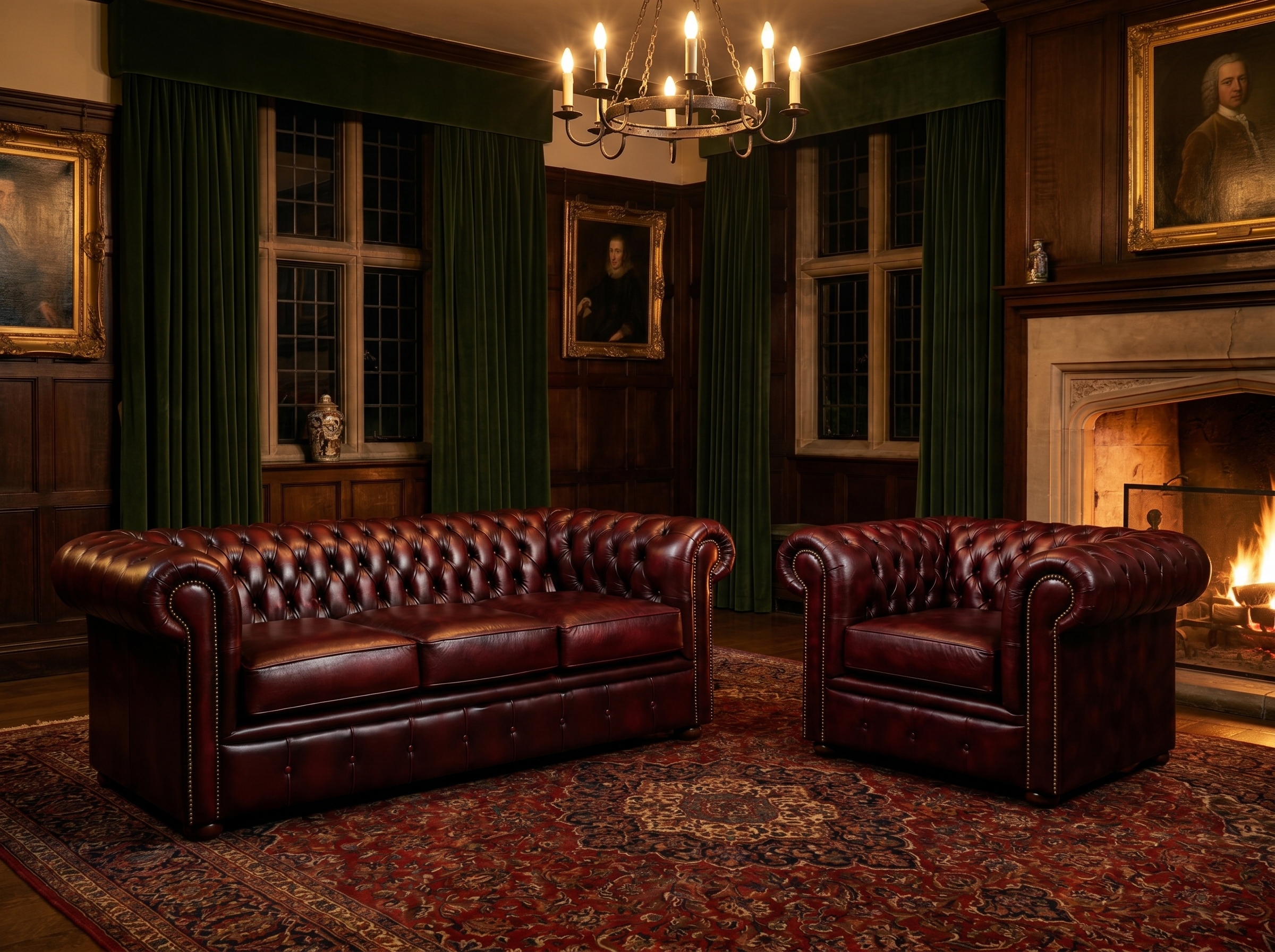
How to Choose a Sofa — Complete Step-by-Step Buying Guide
Understanding how to choose a sofa is one of the most important furniture decisions you will make. You will sit on this piece thousands of times over the next decade or more. It will define your living room aesthetic, affect your daily comfort, and represent a significant financial investment. Yet, most people spend more time researching a new phone than they do learning how to choose a sofa.
This comprehensive guide walks you through every decision point — from frame construction to cushion quality, size, and colour — to ensure you select a piece that is genuinely right for your home, your body, and your budget.
The difference between a great sofa and a disappointing one is rarely visible. It lives in the construction underneath the fabric. Learning what to look for transforms you from a buyer to an informed purchaser.
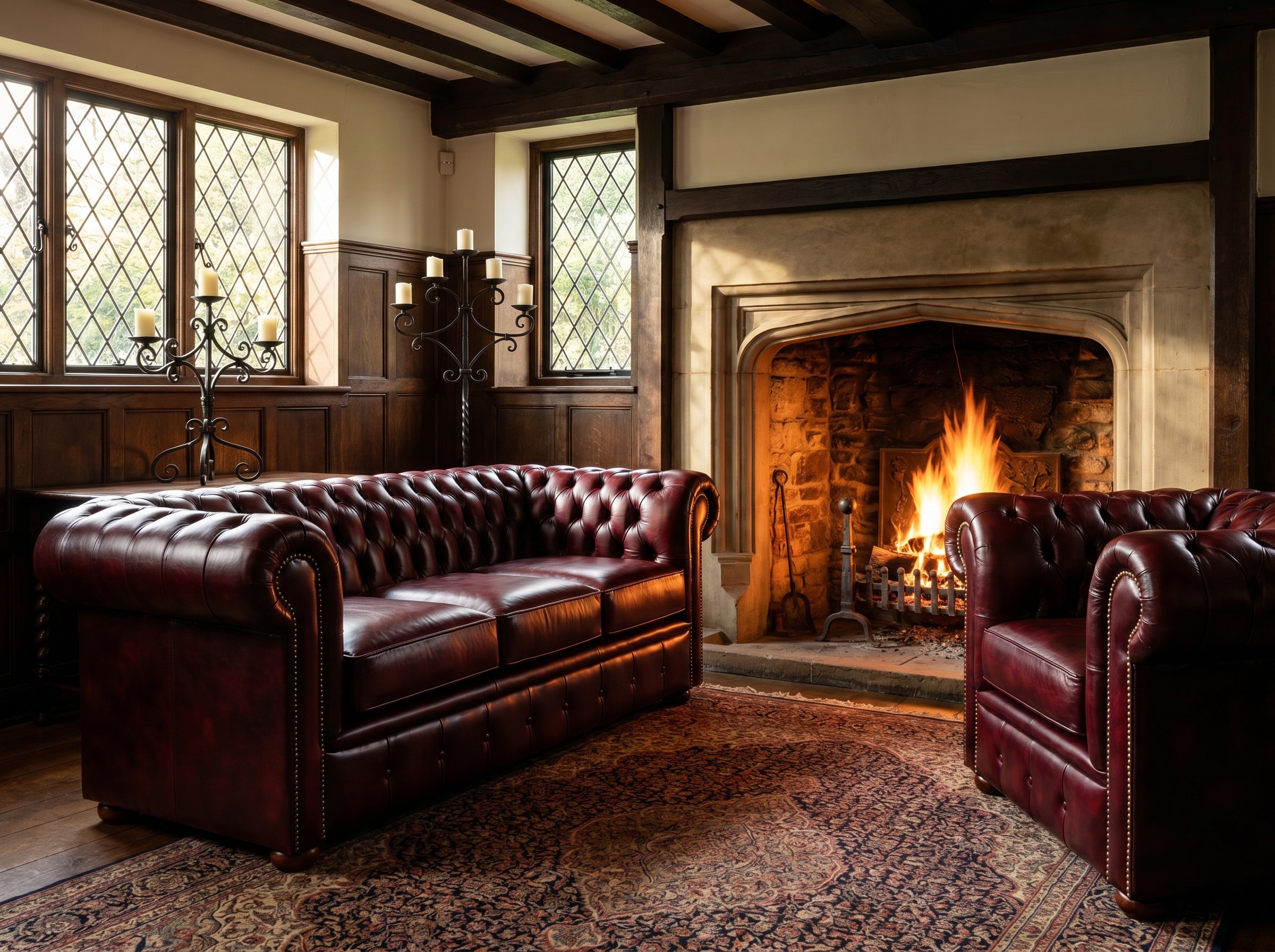
How to Choose a Sofa: Why Quality Should Be Your Top Priority
Before you consider style or colour or price, understand this fundamental truth: a sofa’s lifespan, comfort, and value are determined by what you cannot see.
A high-quality sofa costs more upfront but lasts 25–30 years. A mass-produced sofa costs less upfront but lasts 4–6 years. When you calculate cost per year of ownership, quality is the economical choice.
This guide focuses on the construction factors that determine real quality. Everything else — style, colour, brand — is secondary to understanding whether a sofa is built to last.
Step 1: Evaluate the Frame — The Foundation of Everything
The frame is the skeleton of the sofa. Everything else — the springs, the cushions, the upholstery — depends on a solid frame. A weak frame means all the other quality indicators become irrelevant.
Wood Type and Drying Method
Quality sofas use kiln-dried hardwood frames. Kiln drying removes moisture, preventing warping, twisting, and splitting. Hardwoods — oak, ash, maple, beech — are dense and stable. Ask the maker: what wood? If they cannot answer specifically, the frame is probably not quality hardwood.
Avoid sofas with particle board, MDF, or engineered wood frames. These materials are cheaper but fail under sustained weight and daily use. A particle board frame begins to sag within 3–4 years.
Joinery and Construction
Quality joinery matters. The best frames use mortise and tenon joinery — the wood is cut and fitted together, then reinforced. Dowels are used at stress points. The entire frame should feel solid and immobile when you push on it.
Poor joinery uses screws and glue. Screws loosen over time. Glue fails. Within a few years, the sofa develops creaks and wobbles.
Step 2: Understand Suspension Systems — The Hidden Comfort
The suspension system — the springs or webbing beneath the seat cushions — determines how the sofa feels and how long it lasts. This is where the most dramatic differences emerge between quality sofas and mass-produced alternatives.
Eight-Way Hand-Tied Springs — The Gold Standard
Eight-way hand-tied coil springs represent the pinnacle of sofa construction. Individual hourglass-shaped springs are tied to the frame and to each other in eight directions — front to back, side to side, and diagonals. This creates a flexible yet supportive web that distributes weight evenly and provides unmatched durability.
Hand-tying is labour-intensive. Each spring is tied individually using twine. This process cannot be rushed. The result is a suspension system that prevents bottoming out, resists sagging, and maintains its performance for decades.
Sinuous Springs — The Practical Choice
Sinuous (S-shaped) wire springs run front to back in parallel rows, connected by metal clips. This system is less expensive than hand-tied but, when properly constructed with high-gauge wire and correct spacing, provides excellent support. Many quality mid-range sofas use sinuous springs successfully.
The key is specification: wire thickness (must be high-gauge), spacing (4–6 inches), and proper installation tension. A cheap sinuous system will sag. A quality sinuous system will perform well for 15+ years.
Webbing Systems — What to Avoid
Webbing uses interlaced synthetic or jute straps instead of springs. Some quality sofas use webbing successfully when combined with high-density foam. However, webbing-only systems are common in cheap sofas and offer minimal support.

Step 3: Assess Cushion Quality — Daily Comfort and Longevity
Cushion quality explains why some sofas remain plump and inviting while others develop permanent body impressions after a year. The variables that matter: foam density, wrapping material, and overall cushion engineering.
Foam Density and Type
High-density foam (1.8 pounds per cubic foot or higher) provides firm support that resists compression. A typical quality sofa uses multiple foam densities layered: a firm core wrapped in softer layers for comfort without sacrificing support.
Low-density foam feels soft initially but compresses quickly. Within months, you develop permanent body impressions. Quality sofas invest in density, not just thickness.
Wrapping and Batting
Quality cushions wrap the foam core in batting — often down, feathers, or polyester. This serves two purposes: it softens the edges of the foam, and it compensates for fabric stretch over time. A quality cushion feels firm yet soft because of this layering strategy.
Recovery and Resilience
‘Recovery’ is how well a cushion returns to its original shape after you stand up. Press on a quality sofa cushion — it rebounds immediately. Press on a cheap one — it stays compressed. Recovery is a direct indicator of foam quality and resilience.
Step 4: Choose Size and Proportions — Fit Your Space and Body
A sofa must fit your space physically and proportionally. A sofa that is too large will dominate the room. Too small and it will look lost.
Measure Your Space Accurately
Before considering any sofa, measure your living room. How wide is the wall? How deep is the room? Can the sofa fit through your door and up your stairs? Many people buy a sofa that cannot actually enter their home. Measure delivery access carefully.
Understand Seat Depth and Back Height
Seat depth determines how you sit. A shallow seat (under 24 inches) supports upright sitting with good back support. A deep seat (26+ inches) encourages lounging and reclining. Choose based on how you actually use a sofa.
Back height affects visual proportion and comfort. A low back (30 inches) feels contemporary. A high back (36+ inches) provides more support and a more traditional appearance.
Arm Height and Sofa Proportions
Arms should be proportional to the sofa back. Equal height arms and back create visual balance. The sofa’s proportions should relate to your room’s ceiling height and architectural details.
Step 5: Select Material and Colour — For Durability and Timelessness
Material choice affects durability, maintenance, and aesthetic longevity. Colour determines how long the sofa remains visually fresh.
Natural Fibres vs Synthetic
Natural fibres — linen, cotton, wool — age beautifully and breathe well. They are typically more durable than synthetics and develop character over time. Synthetics are often easier to clean but age poorly and can pill or fade.
Leather Grades Explained
Full-grain aniline leather is the most luxurious — it ages beautifully, developing a patina. Semi-aniline preserves natural character while adding durability. Protected leather is practical for high-use environments. Choose based on lifestyle.
Colour Psychology for Longevity
Neutral leathers and fabrics — taupes, warm greys, charcoals — remain sophisticated indefinitely. Trendy colours date quickly. If you want the sofa to look beautiful in 10 years, choose colours that transcend trends.
Step 6: Set and Stick to Budget
Quality sofas range from £1,000–£3,500+. Your budget determines material and construction options. Understand what each price point offers, then choose accordingly.
Step 7: Check Warranty and Support
A sofa is a long-term investment. Understand the warranty: what is covered, for how long, and how repairs are handled. A maker who stands behind their work offers comprehensive warranty terms.
How to Choose a Sofa: Red Flags to Avoid
- Cannot answer specific questions about frame, springs, or cushions
- Particle board or MDF frames
- ‘Web suspension only’ with low-density foam
- Warranties under 5 years
- Prices that seem too good to be true (they are)
- Assembles ‘easily’ (usually means not structurally sound)
- No sample swatches or in-person viewing available
FAQ — Common Sofa Buying Questions
How long should a quality sofa last?
A properly made sofa with a solid hardwood frame, hand-tied springs, and quality cushions should last 25–30 years with normal use. Budget sofas typically last 4–6 years.
What’s the difference between a £600 and £2,000 sofa?
The visible difference is often minimal. The real difference is in frame construction, spring system quality, foam density, and craftsmanship. A £2,000 sofa will outlast a £600 sofa multiple times over.
Can I try before buying?
Yes — most quality makers offer showrooms or in-home trials. Order swatches. Visit in person if possible. Sit on the sofa and notice comfort, seat depth, and feel.
What should I pay for a quality sofa?
Entry-level quality begins around £1,200. Mid-range quality (best value) is £1,500–£2,200. Premium quality is £2,500+. Your budget determines options, but never compromise on frame and suspension.
Final Thoughts — Making Your Decision
Choosing a sofa is simpler when you understand what determines quality. Frame construction, suspension system, cushion density, size, and material — these are the variables that matter.
Once you understand these fundamentals, you can evaluate any sofa and predict whether it will last 5 years or 25 years. You become an informed buyer rather than a marketing target.
Newman & Bright produce handmade sofas built to these exact specifications — solid hardwood frames, eight-way hand-tied springs, high-density foam, and natural materials. Every sofa is designed to be a long-term investment.
To explore our collection, order free leather swatches, or discuss your specific requirements, visit newmanandbright.co.uk or call 0161 667 9560. The showroom in Worsley, Manchester is open by appointment.
Related Article: Luxury Furniture Designs Shaping Interiors for 2026