Table of Contents
Final Thoughts: Bespoke Is Professional
Introduction: Why Bespoke Matters in Hospitality
More Than Just Aesthetics
The Four Reasons Bespoke Matters
Step 1: Define the Commercial Performance Requirements
Traffic Density
Cleaning and Maintenance Access
Heat and Light Exposure
Step 2: Choose the Right Leather Grade for Your Commercial Setting
Protected/Corrected-Grain Leather: The Commercial Standard
Semi-Aniline Leather: The Premium Commercial Choice
Full-Grain Aniline Leather: For Low-Traffic Luxury Settings Only
Step 3: Specify for Commercial Durability: Frame and Structure
Hardwood Frame Construction
Hand-Tied Spring Unit
High-Density Foam Layering
Piping and Detailing
Step 4: Size Specification: Getting It Right for the Space
Measure Twice, Specify Three Times
Design for the Adjacent Architecture
Bespoke Sizing as Standard
Step 5: Colour and Leather Selection for Your Brand
Neutral Leathers: The Safe Choice
On-Brand Colours: The Differentiator
Contrast Elements
Step 6: Warranty and After-Sales Support
FAQ: Commercial Sofa Specification Questions
Text for This Block
When you specify bespoke sofa hospitality projects, you’re working to an entirely different standard than residential specification. The pressures are greater. The durability requirements are non-negotiable. The aesthetic stakes are higher, the use is heavier, and the consequences of getting it wrong are more visible — and significantly more expensive to rectify.
This guide walks you through everything you need to know about how to specify a bespoke sofa for hospitality projects — whether you are a designer working with hotel groups, a restaurant owner creating a distinctive dining environment, a private members club upgrading your common areas, or a procurement professional managing multiple venue specifications.
Newman & Bright have supplied handmade sofas to boutique hotels, fine dining restaurants, private clubs and heritage venues across the UK for years. This guide reflects their direct experience with what actually works — and what doesn’t — in commercial settings.
Why Bespoke Matters in Hospitality — More Than Just Aesthetics
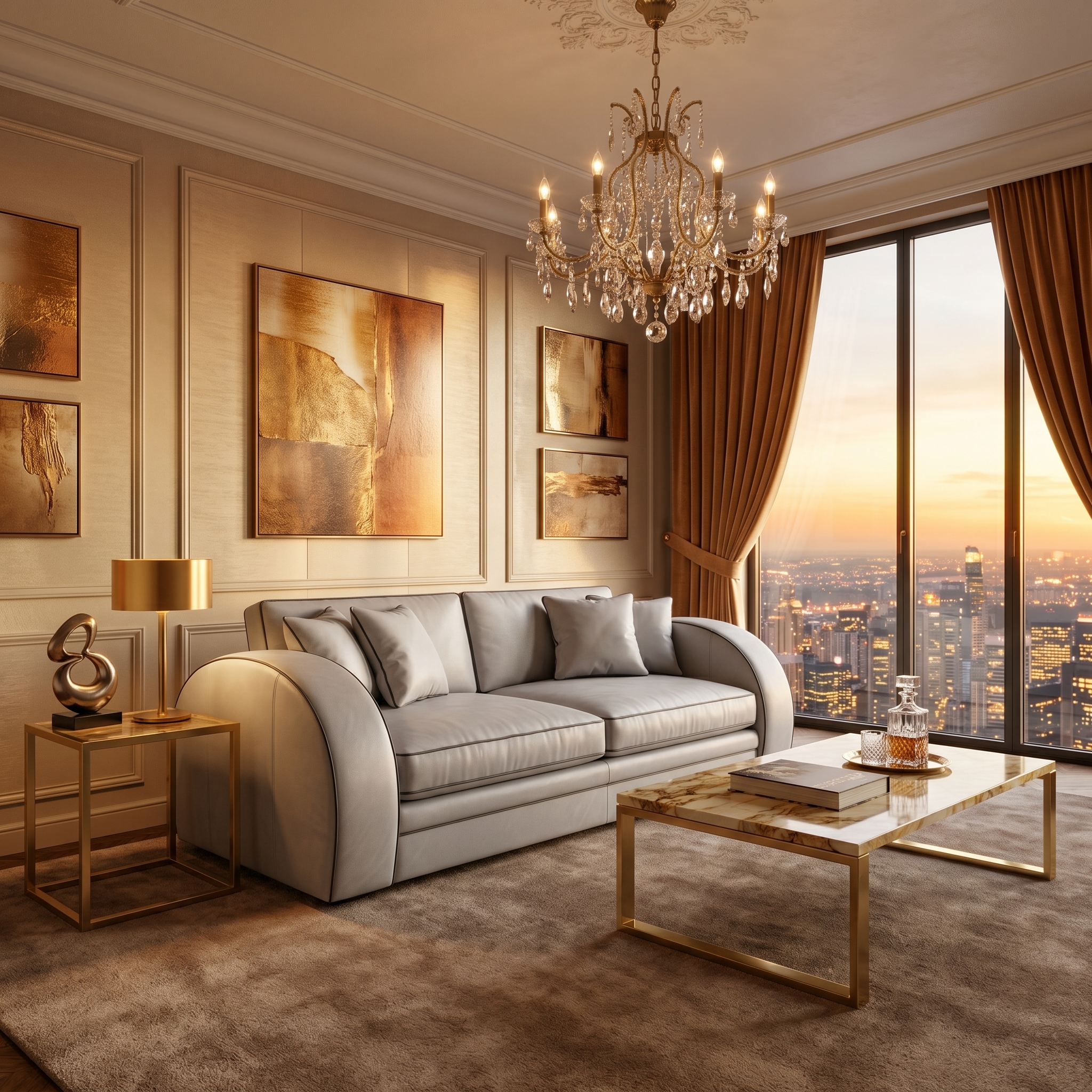
Most hospitality buyers default to specifying standard furniture from commercial catalogues. It is the safe choice, the familiar choice, and usually the cheapest choice. It is also the choice that results in undifferentiated interior environments that guests forget the moment they leave.
When you specify bespoke sofa hospitality projects, you’re creating something entirely different from standard commercial furniture — a piece custom-sized to the architecture of the space, upholstered in the colours that define your brand, built with the structural integrity that commercial use demands. It becomes a design statement. It creates memory. And, crucially, when done right, it performs better over the lifespan of the installation than standard alternatives.
Here is why bespoke matters in hospitality specification:
- The space has specific dimensions. A boutique hotel lobby may have a feature wall that is 320cm wide and 240cm deep. Standard sofas come in three sizes. None of them are right. A bespoke specification means the sofa fits perfectly — no oversized, no undersized, no visual compromise.
- The aesthetic is intentional. A luxury hotel or private club lives or dies by its interior coherence. Every element should feel designed, not selected from a catalogue. A bespoke sofa designed specifically for the space, in fabrics and leathers chosen to complement the broader interior scheme, communicates intent to your guests.
- Durability is built in. A commercial sofa from a budget furniture catalogue is designed to look acceptable for 18 months. A handmade bespoke sofa, with proper structural specification for commercial use, can maintain its appearance for a decade or more. The cost-per-year calculation strongly favours bespoke.
- The narrative is authentic. Guests in premium hospitality environments are increasingly attracted to authenticity and craft. They notice when a sofa is mass-produced and when it is made by hand. A bespoke sofa is a story you can tell.
Step 1 — Specify Bespoke Sofa Hospitality by Defining Commercial Performance
Before you begin the aesthetic specification, you need to define what the sofa has to withstand. Commercial use is not a single standard. A private members club where members use the space for perhaps 20 hours per week is a different environment from a boutique hotel where the sofa in the lobby is in use 24 hours a day, seven days a week.
Traffic Density
High traffic venues — hotel lobbies, restaurant foyers, shared hospitality spaces — require structural specifications that prioritise durability. Medium traffic venues — private club lounges, upscale restaurant private dining — can accommodate more design-forward specifications. Understanding your venue’s traffic density determines which leather grades, filling specifications and frame construction you can confidently specify.
Cleaning and Maintenance Access
Some commercial venues have dedicated cleaning protocols. Others rely on guests to respect the furniture. High-end hotels typically have nightly professional cleaning routines. Restaurants might have daily wipe-downs. Private clubs might have weekly deep cleans. The cleaning intensity directly impacts which materials you can specify — a sofa in a venue with rigorous daily cleaning can handle different finishes than one in a lower-maintenance setting.
Heat and Light Exposure
A sofa placed directly in front of a window that receives eight hours of direct sunlight daily requires different leather specifications than a sofa in a north-facing corner. Similarly, proximity to heating systems, air conditioning vents, or kitchens affects material choice. High ambient temperature requires cooling, which affects leather performance.
The single most common mistake in hospitality furniture specification is underestimating the performance demands of the environment. Premium venues fail with inadequate materials far more often than they fail with overly durable ones.
Step 2 — Choose the Right Leather Grade for Your Commercial Setting
Not all leather grades are created equal in a commercial environment. Here is the framework that hospitality designers use:
Protected / Corrected-Grain Leather — The Commercial Standard
For high-traffic hospitality spaces, protected (corrected-grain or pigmented) leather is the standard specification. It is the most resistant to staining, the easiest to maintain, and the most forgiving under sustained daily use. The finish is uniform and consistent — no natural variation — which works beautifully in professional interior environments where consistency is valued.
- Highly resistant to staining and daily wear
- Easiest to clean — most spills wipe off with a damp cloth
- Maintains appearance under 24-hour use
- Best for: high-traffic hotel lobbies, restaurants, shared lounges
Semi-Aniline Leather — The Premium Commercial Choice
For venues where aesthetics are as important as durability — upscale boutique hotels, private members clubs, fine dining restaurants — semi-aniline leather offers an excellent compromise. It preserves more of the natural character of the hide than protected leather while adding a degree of practical protection that pure aniline does not provide.
- Natural appearance with superior practical performance
- More sophisticated aesthetic than protected leather
- Still forgiving with daily use and cleaning
- Develops subtle patina over time
- Best for: medium-to-high-traffic premium venues
Full-Grain Aniline Leather — For Low-Traffic Luxury Settings Only
Full-grain aniline leather is genuinely beautiful but requires significant maintenance discipline. It is the right choice only for low-traffic venues — private club boardrooms, executive lounges, heritage properties with restricted access — where cleaning is rigorous and use is controlled. In a high-traffic setting, it will deteriorate rapidly and require constant maintenance.
Step 3 — Specify for Commercial Durability — Frame and Structure
The aesthetic is only half the specification. Commercial durability is determined by the structure beneath the upholstery. Here is what to demand:
Hardwood Frame Construction
Specify solid kiln-dried hardwood frames — never softwood, MDF or particle board. A quality commercial sofa frame should use eight-square mortise and tenon joinery — joints are reinforced, not nailed, ensuring the frame remains stable under sustained use. The entire frame should be designed and stress-tested for commercial durability.
Hand-Tied Spring Unit
An eight-way hand-tied coil spring unit is the gold standard for commercial seating. Each spring is individually tied to the frame and to its neighbours, creating a resilient system that distributes weight evenly and recovers its shape after every use. Eight-way construction means springs are tied in eight directions — front-to-back, side-to-side, and diagonals. This is the specification that professional hospitality suppliers demand.
High-Density Foam Layering
Specify 60-density or higher foam over the springs, with cotton felt layers to prevent foam deterioration. The sofa should have a minimum of 15cm of layered padding between the frame and the upholstery surface. This is what differentiates a hospitality-grade sofa from a residential one.
Piping and Detailing
All seams and piping should be machine-stitched at commercial specification — typically 12 stitches per inch — ensuring durability under sustained use. Hand-welting is preferable to machine welting for premium pieces. Every stress point — arm seams, cushion seams, leg attachments — should be designed for high wear.
A commercial sofa built to hospitality specifications will maintain its structural integrity for 10–15 years of intensive use. A standard residential sofa in the same environment will begin showing structural failure within 2–3 years.
Step 4 — Size Specification — Getting It Right for the Space
In a commercial setting, the sofa must fit the space precisely. Undersized and it looks lost. Oversized and it dominates the room or, worse, won’t fit through the door.
Measure Twice, Specify Three Times
Get the exact dimensions of the delivery access — doorways, stairwells, corridors, loading dock height. Then add 15cm to the maximum width you feel comfortable with. Discuss delivery access with your sofa supplier. Most commercial suppliers offer removable arms specifically for venues with restricted access. This is a standard option, not an upgrade.
Design for the Adjacent Architecture
The sofa should relate to the spatial envelope. A sofa in a hotel lobby should acknowledge the architectural elements around it — the ceiling height, the window proportions, the adjacent walls. A sofa that is too shallow will feel insubstantial. Too deep and it will crowd the space. Work with your designer and your sofa supplier to get the depth exactly right for the setting.
Bespoke Sizing as Standard
Newman & Bright and other quality commercial suppliers offer fully bespoke sizing as a standard — not as an upgrade. Width, depth, seat height, back height, arm height — all adjustable to specification. This is why bespoke specification is worth the lead time. You get exactly what you need.
Step 5 — Colour and Leather Selection for Your Brand
The colour of your commercial sofa should reinforce your brand identity. Here are the principles hospitality designers use:
Neutral Leathers — The Safe Choice
Charcoal, dark brown, chocolate, black — neutral leathers work with virtually any interior scheme. They hide marks well under normal use and read as sophisticated in almost any setting. Most five-star hotels choose neutral leather for this reason.
On-Brand Colours — The Differentiator
If your brand has a defined colour palette — perhaps a signature cobalt blue, a warm terracotta, a jewel-tone green — specifying that colour in the sofa creates immediate brand coherence. This is what separates a truly designed hospitality environment from a generic one.
Contrast Elements
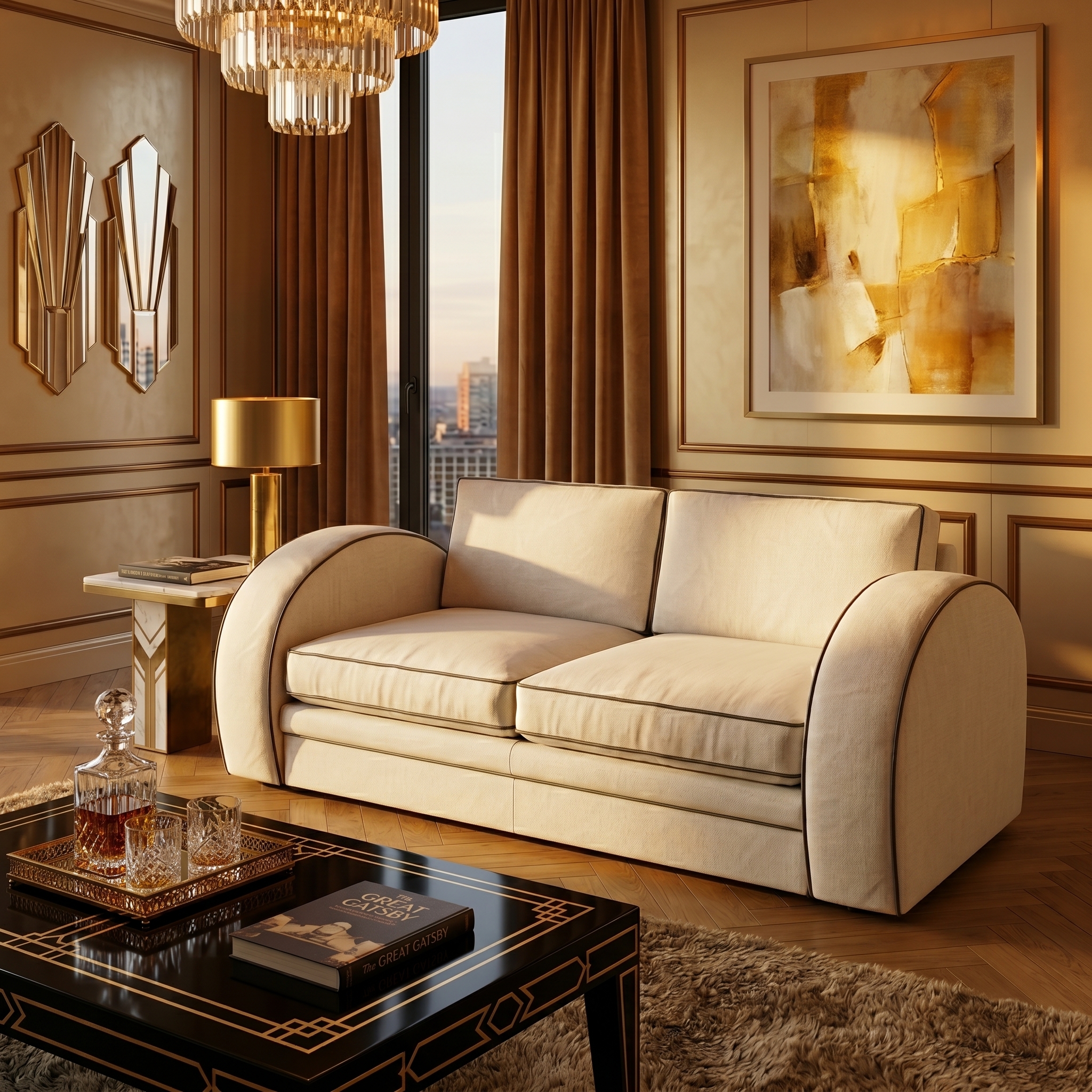
Piping in a contrasting leather or fabric, wooden detailing on show-wood models, or button accents can elevate a commercial sofa specification without adding excessive cost. These details communicate that the space was designed with intention.
Step 6 — Warranty and After-Sales Support
In a commercial setting, the warranty matters. A residential five-year warranty is insufficient — you need 5–10 years of structural coverage, including provision for repair and reupholstering if necessary.
- Ask for warranty documentation before committing to a supplier
- Understand what is covered — manufacturing defects should be covered. Damage from normal commercial use should be repairable (not replaced) at reasonable cost.
- Ask how repairs are handled — can they be done on-site? How long is the turnaround?
- Clarify liability for fabric or leather deterioration — this should be covered up to year 3, declining thereafter.
Newman & Bright include a five-year warranty on commercial installations, covering manufacturing defects and accidental damage. For venues requiring extended coverage, 10-year warranties are available on request. Always clarify the warranty terms in writing before order.
FAQ — Commercial Sofa Specification Questions
(RankMath instruction: Enable FAQ Schema in RankMath for this section.)
What is the difference between residential and commercial sofa specifications?
Commercial sofas are built with heavier-duty construction — solid hardwood frames, eight-way hand-tied springs, higher-density foam — to withstand sustained use in high-traffic environments. They use contract-grade leather or fabric designed for commercial cleaning protocols. The warranty and after-sales support for commercial pieces are also more comprehensive.
How long should a commercial sofa last if properly maintained?
A properly specified commercial sofa — with hardwood frame, hand-tied spring unit and high-density layering — will maintain structural integrity for 10–15 years with normal commercial use. The upholstery may require refreshing after 7–10 years depending on traffic intensity, but the frame itself can last the life of the building.
Can you remove the arms from a commercial sofa for delivery?
Yes. Most quality commercial sofa suppliers, including Newman & Bright, offer removable arms as standard. This is not an upgrade — it is a standard option that significantly reduces the width of the sofa for delivery and installation in spaces with restricted access.
What leather is best for a high-traffic hotel lobby?
Protected or corrected-grain leather is the standard specification for high-traffic commercial venues. It is the most stain-resistant, the easiest to clean, and maintains appearance under 24-hour use. Semi-aniline leather offers a premium alternative if aesthetics are equally important to durability.
How long does it take to make a commercial sofa?
Lead times for bespoke commercial sofas typically range from 8 to 14 weeks, depending on the specification and current production schedules. Newman & Bright works with hospitality designers to accommodate project timelines. Discuss your project deadline when requesting a quote.
Is bespoke commercial furniture more expensive than standard?
The upfront cost is typically 15–25% higher than standard catalogue furniture. However, when you factor in durability, the cost-per-year calculation strongly favours bespoke. A commercial sofa lasting 12 years costs significantly less per year than a standard sofa replaced every 3–4 years.
What is your process for specifying a commercial sofa?
1. Define the venue, traffic intensity and performance requirements. 2. Choose the leather grade appropriate for the environment. 3. Provide exact dimensions and delivery access information. 4. Specify colour and any design details. 5. Confirm warranty and after-sales support terms. Most suppliers provide a formal specification sheet that becomes part of your project documentation.
Final Thoughts — Bespoke Is Professional
Specifying a bespoke sofa for a commercial hospitality project is not an indulgence. It is professional practice. It is how premium venues — the hotels and restaurants and clubs that guests remember and return to — differentiate themselves from the ordinary.
A handmade sofa, custom-sized for your space, built to commercial durability specifications, in leathers and colours that reinforce your brand — this is how you create interior environments that perform commercially and aesthetically.
To discuss a commercial sofa specification, contact Newman & Bright directly on 0161 667 9560. Trade pricing, extended lead times and direct consultation with the design team are available for hospitality and design professionals. The showroom in Worsley, Manchester is open by appointment.
Also Related Blogs